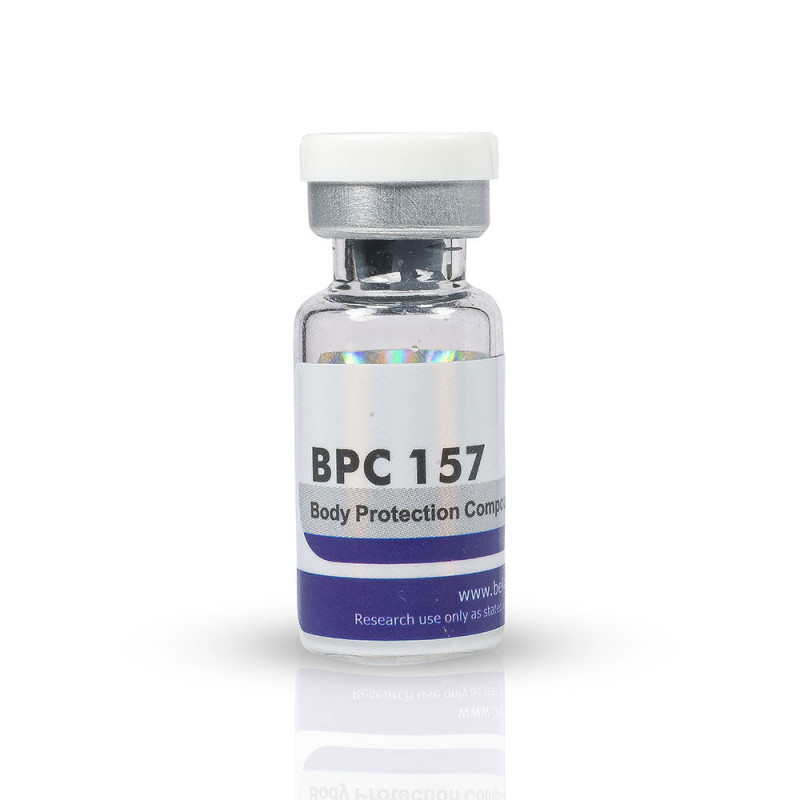
BPC 157 – 5MG
$63.00
BPC-157 (5mg) is a premium-grade, highly stable pentadecapeptide consisting of 15 amino acids derived from a naturally occurring protective gastric protein. Recognized for its exceptional tissue-regenerative properties, BPC-157 accelerates collagen synthesis, promotes angiogenesis (new micro-blood vessel formation), and upregulates growth hormone receptor expression in damaged tendon fibroblasts, ligaments, and skeletal muscle tissue. Each vial is third-party HPLC tested to guarantee 98%+ active compound purity.
The Ultimate Guide to Regenerative Peptides, Protocols, and Recovery
BPC-157. When you are pushing your physical limits in the gym or working to overcome a stubborn tendon issue, slow recovery can throw off your entire momentum. That is why BPC-157 has quickly become one of the most widely discussed compounds in modern sports performance and tissue repair.
Whether you are looking to accelerate soft tissue repair, protect your digestive system, or simply get back to heavy lifting faster, understanding how to utilize BPC-157 safely and effectively is crucial before adding it to your protocol.
What Is BPC-157?
BPC-157 stands for Body Protection Compound-157. It is a synthetic pentadecapeptide composed of a precise sequence of 15 amino acids. What makes this compound so distinct from typical performance supplements is its biological origin: it is modeled after a naturally occurring protective protein sequence discovered in human gastric fluid.
Because human gastric juice naturally functions to protect and heal the stomach lining, scientists began studying whether isolated peptide sequences could replicate those same protective qualities across other parts of the body.
Animal Studies and Scientific Research
Early pre-clinical trials evaluated how this isolated sequence responded when introduced to soft tissue damage. Research indexed in NCBI / PubMed Central demonstrates that BPC-157 promotes cellular survival, upregulates growth hormone receptor expression in tendon fibroblasts, and drives rapid collagen deposition across damaged ligaments and muscle fibers.
How BPC-157 Works in the Human Body
Unlike standard anti-inflammatory drugs that simply mask pain, BPC-157 actively coordinates structural repair at the cellular level. It operates through several distinct physiological mechanisms:
1. Promoting Angiogenesis & Micro-Vascular Blood Flow
Connective tissues—such as tendons, ligaments, and joint capsules—naturally receive very limited blood flow. This low vascularity is why joint injuries take months to heal. BPC-157 interacts with the body’s nitric oxide ($\text{NO}$) pathway to expand blood vessels and promote angiogenesis (the formation of new micro-capillaries).
By establishing new pathway networks directly into damaged tissue, your body can deliver essential oxygen, plasma, and amino acids to the precise area requiring repair.
2. Upregulation of Collagen Synthesis
Collagen is the primary structural protein responsible for skin elasticity, tendon strength, and joint health. Scientific literature published via NIH National Library of Medicine indicates that BPC-157 increases collagen type I and III deposition, speeding up the structural re-building of torn or strained fibers.
3. Gastrointestinal & Endothelial Protection
Traditional pain medications, such as non-steroidal anti-inflammatory drugs (NSAIDs), are notorious for eroding the mucosal gut lining over time. BPC-157 helps neutralize gastric damage caused by NSAIDs, reduces inflammatory bowel disease (IBD) flare-ups, and strengthens the delicate endothelial lining of blood vessel walls.
BPC-157 Dosing, Reconstitution, and Storage Guidelines
To get predictable results while protecting the integrity of your compounds, proper preparation and handling are essential.
Calculating Your Daily Dosage
Most clinical literature and experienced user protocols suggest a daily dosage range between 1 mcg and 10 mcg per kilogram of body weight.
Dosing Examples by Body Weight:
1. Light Protocol (60 kg / 132 lbs)
-
Daily Dose Range: 60 mcg to 600 mcg daily
-
Common Benchmark: 250 mcg taken once or twice daily
2. Heavy Protocol (90 kg / 198 lbs)
-
Daily Dose Range: 90 mcg to 900 mcg daily
-
Common Benchmark: 250 mcg to 500 mcg split into two daily applications
How to Reconstitute Lyophilized Powder
When you receive your peptide, it arrives as a dry, freeze-dried lyophilized powder cake inside a glass vial. Before it can be administered, it must be reconstituted using a sterile solvent.
To maintain maximum multi-dose sterility, you should only mix your peptide powder using Bacteriostatic Water (30ml). Unlike plain sterile water, bacteriostatic water contains 0.9% benzyl alcohol, which actively prevents microbial and bacterial growth in your vial for up to 28 days.
Step-by-Step Reconstitution Process:
-
Sanitize: Swab the rubber stoppers of both your bacteriostatic water and your peptide vial with a 70% isopropyl alcohol prep pad.
-
Draw Water: Using a sterile syringe, pull 3 mL of bacteriostatic water from the main bottle.
-
Slow Drip: Slowly introduce the water into the peptide vial by aiming the needle against the inner glass wall. Never spray water directly onto the powder cake.
-
Gentle Swirl: Gently rotate the vial between your fingers until completely dissolved. Do not shake aggressively, as violent movement can break sensitive peptide bonds.
Storage Standards for Long-Term Potency
Peptides are fragile biological molecules sensitive to heat, kinetic shock, and ultraviolet light.
-
Unopened Lyophilized Powder: Store at room temperature away from direct light for short periods, or store long-term in a freezer.
-
Reconstituted Solution: Once mixed with bacteriostatic water, store your vial inside a refrigerator ($2^\circ\text{C} – 8^\circ\text{C}$). A refrigerated vial will retain full potency for approximately 4 to 6 weeks.
Administration Methods: Subcutaneous vs. Intramuscular
Because BPC-157 exhibits powerful systemic effects throughout the body, it naturally targets areas of inflammation regardless of entry point. However, localized administration near the site of injury remains popular among athletes.
Subcutaneous Injections (Sub-Q)
Subcutaneous administration places the solution into the fatty tissue layer just beneath the skin. It is generally the least painful method.
-
Pinch a fold of loose skin near the affected joint or abdomen.
-
Insert a standard fine-gauge needle at a 45-degree angle.
-
Depress the plunger slowly and remove the needle.
Intramuscular Injections (IM)
Intramuscular administration places the solution directly into skeletal muscle tissue.
-
Insert the needle at a 90-degree angle directly into the muscle belly nearest to your injury site.
-
This method requires proper anatomical knowledge to avoid striking nerves or blood vessels.
Stacking BPC-157 for Comprehensive Recovery Protocols
While BPC-157 provides exceptional soft tissue repair, combining it with complementary performance compounds can yield synergistic results:
-
For Full-Spectrum Joint & Muscle Healing: Explore our complete Peptides Category to pair tissue-repairing compounds with systemic cell-migrating agents.
-
For On-Cycle Protection & Estrogen Control: If you are running an intense training cycle, consider incorporating Arimistane (50mg) to suppress excess fluid retention and eliminate joint-stressing estrogen spikes.
-
For Cutting & Body Re-Composition: Combine joint recovery with fat oxidation by reviewing our guide on Andarine (S4).
-
For Advanced Protocol Information: Visit our main Anabolic Health Standard Homepage to browse our third-party HPLC lab results, batch verifications, and complete performance catalog.
Summary & Next Steps
When dealing with chronic joint inflammation, tendonitis, or digestive distress, having a scientifically backed recovery compound inside your arsenal makes all the difference. By using accurate dosing, maintaining strict reconstitution hygiene, and sourcing HPLC-verified products, you can maximize your recovery trajectory safely.
Ready to take your recovery protocols to the next level? Pick up your lab-verified BPC-157 and essential Bacteriostatic Water today!
| Packaging |
Vial |
|---|---|
| Strength |
5mg |
Related products
CJC 1295 – 5mg

IGF-1 LR3 – 10mg – 10ml